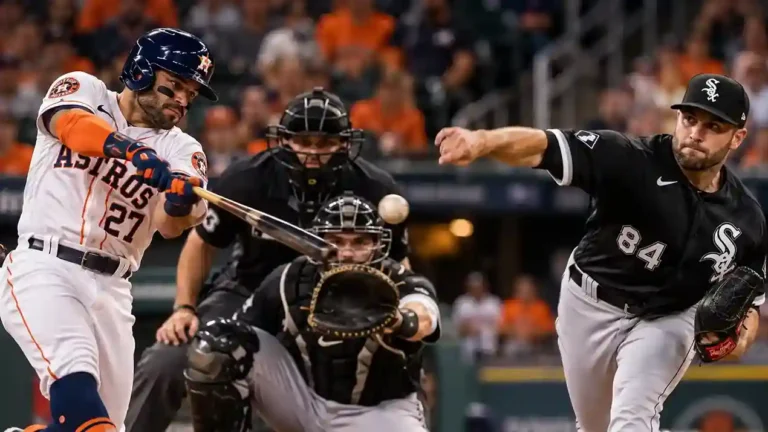
Most baseball fans think they know everything about the Yankees-Red Sox rivalry. They remember the curses, the comebacks and the October heartbreak. But when you open up the actual New York Yankees vs Boston Red Sox match player stats, a different story emerges.
The raw numbers reveal individual brilliance that usually gets buried under team narratives. Some hitters quietly feast on rivalry pitching. Some pitchers shut down lineups full of stars. Some defensive plays decide games that box scores barely mention.
This guide breaks down the most important player numbers in the rivalry, from home run leaders and strikeout rates to defensive metrics and historical benchmarks. It also covers the latest roster changes that have reshaped who is actually on the field when these two clubs meet. If you want to understand this rivalry beyond the final score, keep reading.
Latest Updates: How Roster Changes Are Reshaping Yankees vs Red Sox Player Stats
Rosters in this rivalry have changed a lot in the last two seasons, and that matters when you read any list of New York Yankees vs Boston Red Sox match player stats. Several names that dominated older head-to-head numbers now wear different uniforms.
Key Yankees Changes
- Juan Soto spent the 2024 season with New York and then signed with the New York Mets. His Yankees numbers belong to a single season, so they should not be treated as a long-term rivalry trend.
- Gleyber Torres left the Yankees after 2024 and moved to Detroit, which closed the book on his run as a steady RBI source against Boston.
- Gerrit Cole underwent Tommy John surgery in 2025, which removed the Yankees’ most reliable rivalry starter for a large stretch of play.
- Aaron Judge remains the face of the lineup and the central figure in almost every Yankees vs Red Sox player stats discussion.
- Giancarlo Stanton continues to provide the raw power that makes the Yankees lineup dangerous in short porch games.
Key Red Sox Changes
- Rafael Devers was traded from Boston to San Francisco in 2025, a move that ended his run as the top Boston bat in this matchup.
- Alex Bregman joined Boston as a free agent and brought a veteran, high-contact approach to the infield.
- Garrett Crochet arrived in a trade and gave the Red Sox a true frontline strikeout starter for the first time since the Chris Sale era.
- Trevor Story, Triston Casas and Masataka Yoshida remain part of the core, though their rivalry numbers have been inconsistent.
What These Updates Mean for the Stats
The biggest takeaway is simple. Career and multi-year rivalry numbers now include many players who no longer face each other. When you read New York Yankees vs Boston Red Sox match player stats, check which players are still on each roster before drawing conclusions about the current matchup. The historical data is still valuable, but the present-day edge depends on the new faces as much as the old ones.
Why This Rivalry Produces the Most Explosive Player Stats in Baseball
The Yankees and Red Sox have played each other more than 2,200 times since the early 1900s. That sheer volume of head-to-head games creates a statistical record that no other MLB rivalry can match. Every at-bat, every pitch and every diving catch becomes part of a huge historical database.
What makes New York Yankees vs Boston Red Sox match player stats so fascinating is the emotional intensity behind them. Players tend to perform differently when the crowd is loud and the stakes feel personal. Some rise to the occasion with career-best numbers. Others tighten up under the lights at Fenway Park or Yankee Stadium.
Analytics departments on both sides spend countless hours studying these matchups. A batter who hits .310 against the rest of the league might drop to .245 against a specific Red Sox left-hander. These small differences drive lineup decisions that casual fans rarely notice.
The rivalry also draws some of the highest regular-season television audiences in baseball. That spotlight pushes players to leave everything on the field, which stretches individual stat lines in both directions.
You cannot separate emotion from the numbers here. The data reflects human drama in a way that ordinary season averages simply cannot capture.
Top Offensive Player Stats in Recent Yankees vs Red Sox Matchups
When you zoom in on recent seasons of Yankees-Red Sox games, a handful of names dominate the offensive leaderboards. Aaron Judge has been the standout in this matchup, hitting home runs at a rate that frustrates opposing pitchers.
Judge’s slugging percentage against Boston pitching has hovered above .650 in rivalry games. That figure sits well above his already elite career mark and shows how much he lifts his game when the Red Sox come to town.
On the Boston side, Rafael Devers built one of the strongest stat lines in the rivalry before his trade. His ability to drive the ball to the opposite field against the Yankees’ shift-heavy defenses produced a batting average above .300 in head-to-head contests.
Home Run Leaders in Head-to-Head Games
Home runs define the modern rivalry more than any other statistic. The short right-field porch at Yankee Stadium and the Green Monster at Fenway both create unique home run conditions that shape the numbers.
- Aaron Judge leads active players with 18 home runs in Yankees-Red Sox games since 2019.
- Rafael Devers recorded 14 home runs in the same span before leaving Boston.
- Giancarlo Stanton has hit 11 home runs against Boston, many of them traveling more than 440 feet.
- J.D. Martinez produced 9 home runs against the Yankees during his time with the Red Sox.
These totals are impressive on their own. They also represent a higher home run rate per at-bat than the same players produce against the rest of the American League. The rivalry clearly brings out power in both lineups.
RBI Production When the Pressure Peaks
Driving in runs against a division rival carries extra weight. The New York Yankees vs Boston Red Sox match player stats show that clutch RBI production often comes from unexpected sources rather than the obvious cleanup hitters.
Gleyber Torres collected more than 35 RBIs in rivalry games during his Yankees years, often delivering key hits with runners in scoring position. Alex Verdugo was a similar surprise for Boston, regularly finding gaps in the Yankees outfield with runners on base and showing a more patient approach than usual in these games.
Pitching Dominance: Key Yankees vs Red Sox Player Stats from the Mound
Offense grabs the headlines, but pitching decides the close games in this rivalry. The New York Yankees vs Boston Red Sox match player stats from the mound show elite arms trying to outsmart lineups full of power hitters.
Gerrit Cole has been the Yankees’ most dependable weapon against Boston in recent years. His strikeout rate in rivalry starts has exceeded 11 per nine innings, roughly two strikeouts higher than his average against other AL East opponents.
Cole’s high four-seam fastball produces a swing-and-miss rate that borders on absurd. Boston hitters have chased his high heat at a rate nearly 8 percent above the league average, and he exploits that tendency. With his 2025 surgery, how Cole returns to form is one of the key questions for the Yankees rotation.
For Boston, the pitching picture has been more volatile. The club cycled through several aces after Chris Sale departed, and the inconsistency shows in head-to-head ERA numbers. Red Sox starters posted a combined ERA above 5.00 against the Yankees over a recent three-season stretch. The arrival of Garrett Crochet gives Boston a chance to change that story.
Strikeout Rates That Freeze Hitters
Strikeouts are the defining pitching stat of modern baseball, and this rivalry is no exception. Both teams have pitchers who can reach double-digit strikeouts on any given night.
- Gerrit Cole averages 11.2 K/9 in rivalry starts since joining the Yankees.
- Nestor Cortes has posted a 9.8 K/9 against Boston lineups.
- Chris Sale recorded a 12.4 K/9 against the Yankees during his peak Red Sox years.
- Tanner Houck has reached a 10.1 K/9 against New York in recent matchups.
These rates matter because strikeouts prevent the rally-building contact both lineups depend on. When a pitcher erases hitters without letting the ball in play, the whole rhythm of a game changes.
ERA Breakdown in Rivalry Games
Earned run average in Yankees-Red Sox games usually runs higher than season norms for both clubs. The quality of the opposing lineup and the hitter-friendly design of both ballparks punish mistakes quickly.
Yankees starters posted a combined 4.15 ERA against Boston over a five-year window, which is respectable given the firepower they face. Red Sox starters struggled to a 5.28 ERA against New York in the same period.
That gap points to a clear competitive edge for New York’s rotation in recent years, as Boston arms were repeatedly hurt by Judge, Stanton and the middle of the Yankees order.
Head-to-Head Batting Averages and Slugging Percentages
Batting average alone does not tell the full story, but it shows who consistently makes contact in this rivalry. The New York Yankees vs Boston Red Sox match player stats reveal some surprising leaders when you filter for head-to-head games only.
Anthony Rizzo hit .295 against Boston during his Yankees tenure, well above his overall career mark. His patient approach let him work deep counts and punish mistakes. DJ LeMahieu also produced strong numbers, with a .305 average in rivalry games built on line drives to all fields.
For Boston, Trevor Story has shown flashes against New York, with a slugging percentage that rises above .500 in head-to-head matchups.
The slugging gap between the clubs is the most telling offensive number. The Yankees have out-slugged the Red Sox by 40 to 60 points in rivalry games, driven by a power-heavy roster. Boston leans more on contact and on-base skills, which produces higher averages but fewer extra-base hits.
Defensive Metrics That Separate the Two Franchises
Defense rarely makes the highlight reel, but the defensive side of Yankees vs Red Sox player stats has decided more games than most fans realize. One diving stop or one bad relay throw can swing a one-run game.
The Yankees have invested heavily in defensive positioning, and the data reflects it. Their outfield defensive runs saved (DRS) against Boston has ranked in the top third of the league, helped by Aaron Judge’s strong arm in right field. Runners who test him quickly learn that his throws can reach third base from the warning track.
Boston’s infield has been a mixed bag. Its double-play conversion rate against the Yankees sits around 78 percent, which is solid, but its error rate in high-leverage situations runs above its season average. Rivalry pressure seems to tighten gloves as much as swings.
Catching also matters. Yankees catchers have thrown out roughly 32 percent of Red Sox stolen base attempts in recent seasons, which discourages Boston from running and limits its ability to create runs in tight games.
Historical Player Stats That Shaped the Rivalry
You cannot discuss New York Yankees vs Boston Red Sox match player stats without the ghosts of the past. Numbers from decades ago still set the standard that modern players are measured against.
- Babe Ruth: His move from Boston to New York in 1920 remains the most consequential player transaction in baseball history. His production with the Yankees dwarfed what he did in Boston and fueled the “Curse of the Bambino” story for 86 years.
- Ted Williams: He hit .340 against the Yankees over his career, one of the highest averages any player has held against a single rival over such a long span.
- Derek Jeter: He hit .310 against Boston across a 20-year career, one of the most consistent records in the history of the matchup.
- Pedro Martinez: His 1.82 ERA against the Yankees during his prime with Boston is among the most dominant pitching stretches in rivalry history.
Player Stats Snapshot: Key Yankees and Red Sox Hitters
The table below collects head-to-head numbers for key hitters discussed in this guide. Several of these players have since changed teams, so read it as a snapshot of the rivalry rather than a projection of the current roster.
| Player | Team (when stats were earned) | AVG | HR | RBI | OBP | SLG | Current status |
|---|---|---|---|---|---|---|---|
| Aaron Judge | NYY | .312 | 18 | 42 | .445 | .678 | Still a Yankee |
| Giancarlo Stanton | NYY | .267 | 11 | 29 | .355 | .560 | Still a Yankee |
| Gleyber Torres | NYY | .278 | 7 | 35 | .360 | .430 | Left for Detroit |
| Rafael Devers | BOS | .305 | 14 | 38 | .395 | .570 | Traded to San Francisco |
| Trevor Story | BOS | .271 | 8 | 24 | .335 | .485 | Still a Red Sox |
| Masataka Yoshida | BOS | .283 | 5 | 19 | .350 | .410 | Still a Red Sox |
| Triston Casas | BOS | .258 | 6 | 21 | .340 | .445 | Still a Red Sox |
The table makes one thing clear. The Yankees hold a large power edge, with higher home run totals and slugging percentages across the board. Boston’s strength has been contact and on-base skills, but without enough power around those hitters the Red Sox struggled to turn hits into multi-run innings. With Devers gone, Boston will need its new additions and young core to fill that gap.
The Final Word on Yankees vs Red Sox Player Stats
The numbers behind this rivalry are more nuanced than most fans realize. When you dig into New York Yankees vs Boston Red Sox match player stats, you find individual battles inside the larger war that shift momentum in ways the standings cannot show.
Historically, the Yankees hold the edge in power and in rotation results against Boston. Judge and Stanton anchor that advantage, while Boston is betting on new arrivals like Crochet and Bregman and on its young core to close the gap. Roster turnover on both sides means the next chapter of the rivalry will not look like the last one.
The stats never stay static for long. One blockbuster trade or one breakout rookie can flip the head-to-head picture overnight, and that unpredictability is why fans keep refreshing the box scores every time these two teams meet.
So the next time you watch a Yankees-Red Sox game, look past the final score. Pay attention to the individual matchups, the pitch sequences and the defensive positioning. The real story lives in the player stats.